
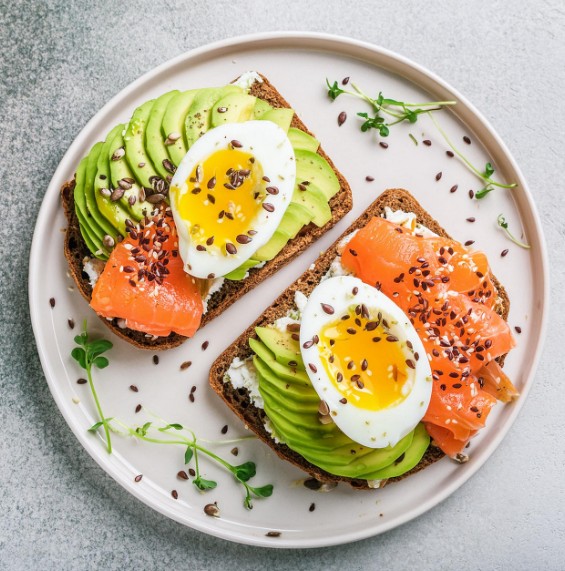
Protein has become one of the hottest topics in health and wellness. Walk into almost any grocery store and you will see protein shakes, protein bars, high-protein yogurt, protein cereal — even protein water. The message cannot be missed: More protein is better.
But is it?
For decades, the Recommended Dietary Allowance (RDA) for protein established by the National Academy of Medicine has been 0.8 g/kg of body weight per day (0.8 g/kg/day) for healthy adults. This recommendation was based primarily on the traditional nitrogen balance (NB) method, which estimates how much protein is needed to maintain nitrogen equilibrium.
More recently, protein requirements estimated using the Indicator Amino Acid Oxidation (IAAO) method have been higher. The newer USDA Dietary Guidelines for Americans recommend approximately 1.2–1.6 g/kg/day, depending on the individual and circumstances. The sports and fitness industry often promotes even higher protein intake, particularly for people trying to build muscle.
It Is Vital to Understand How Much Protein Your Body Really Needs
Unlike fat and carbohydrates, protein is fundamentally different because it does more than simply supply energy or provide building material for the body. Proteins and their breakdown products — amino acids and peptides — are powerful signaling molecules that regulate the activities of hormones, enzymes, and other functional molecules in the human body.
To understand this, consider insulin and the increasingly popular prescription drug GLP-1. They are, in fact, proteins and peptides: insulin is composed of 51 amino acids, while GLP-1 is a chain of 30 or 31 amino acids linked together.
Proteins are just strings of amino acids bonded together. Conventionally, a chain of 50 or fewer amino acids is called a peptide; otherwise, it is called a protein. The properties of proteins or peptides and what they do in the human body depend not only on the length of the strings but also on the sequence of the amino acids in the strings.
Under normal conditions, proteins cannot simply pass through the intestinal lining and enter the bloodstream. They must first be broken down into amino acids and peptides by digestive enzymes in the gastrointestinal (GI) tract before being absorbed into the bloodstream.
The composition of amino acids and peptides (different lengths) produced from dietary proteins in the GI tract depends on the type and amount of protein consumed, as well as the digestive processes involved. Given the body’s finite capacity to produce digestive enzymes and process nutrients, chronic overconsumption of protein will alter the composition of amino acids and peptides (e.g., the length of amino acid chains) available to the body.
Therefore, substantially deviating from the normal level of protein intake established over the course of human evolution could have unforeseen consequences as a result of changes in the composition of amino acids and peptides.
In fact, studies have found that high protein intake, particularly high intake of animal protein, is associated with adverse health outcomes such as cardiovascular disease and diabetes. It is worth noting that many studies find that reasonably high intake of plant-based protein is associated with more favorable health outcomes, whereas higher intake of animal-based protein tends to show the opposite association.
So, How Much Protein Do You Really Need?
Given the inconsistent results from different methods (NB and IAAO) and the history of flip-flopping dietary policies (e.g., recommendations regarding fat and saturated fat intake), it is difficult to place much confidence in official recommendations.
However, we can find a useful compass by examining the protein intake of populations around the world that actually live long lives.
Notably, the world’s Blue Zone populations with the longest life expectancies do not consume high-protein diets. Across the five commonly identified Blue Zones, average protein intake is about 13% of total calories, equivalent to approximately 0.98 g/kg/day. Individual regions range from roughly 0.64 to 1.25 g/kg/day for a 70-kg adult.
The traditional Mediterranean diet provides another useful reference point. Protein intake is also relatively moderate — about 0.96 g/kg/day in Greece and 1.32 g/kg/day in Italy (Rome).
This leads to an important observation: You do not need a high-protein diet to live a long life.
High protein intake can help build bigger muscles, but bigger muscles do not necessarily translate into greater longevity. The world’s longest-lived populations provide little evidence that maximizing protein intake — or maximizing muscle mass — is necessary for a long and healthy life.
Taken together, real-world data indicate that, for long-term health and longevity, healthy adults should aim for a protein intake between 0.8 g/kg/day (the traditional RDA) and 1.2 g/kg/day (the lower end of the newer recommendation). Of course, more protein may be needed if the goal is to build muscle.
For a deeper dive into the detailed data and evidence, read the full article here.




Leave a Reply