
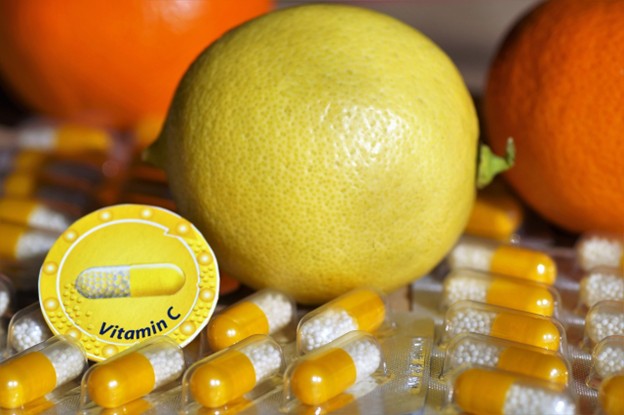
Vitamin C is more than just a vitamin — it is a lifeline. Unlike most animals, humans lost the ability to produce vitamin C due to a genetic mutation roughly 60 million years ago. We must obtain it entirely from our diet. Furthermore, being water-soluble, vitamin C is not stored in the body; any excess is excreted in the urine, making a continuous supply from foods vital.
Vitamin C is crucial for:
- Immune support – reduces the duration of colds and helps prevent viral or bacterial infections.
- Tissue repair – essential for collagen formation, wound healing, and maintaining bones, cartilage, teeth, and blood vessels.
- Heart and vascular health – higher intake is associated with a lower risk of heart disease, stroke, and lower blood pressure.
- Detoxification – helps eliminate heavy metals, pesticides, and other chemicals from the body.
- DNA protection – neutralizes radiation-induced radicals, stabilizes chromosomes, and aids DNA repair. It can reduce DNA damage caused by CT scans by up to 87%.
- Cancer defense – high doses, particularly when administered intravenously, selectively inhibit cancer cell growth, while deficiency can worsen outcomes.
Despite its importance, deficiency and insufficiency remain common — largely because the medical establishment overlooks the fact that many people are not truly well-nourished. A 2021 study based on the National Health and Nutrition Examination Survey (NHANES), published in Nutrients, reported that 41.8% of the U.S. population is vitamin C deficient or insufficient.
Furthermore, vitamin C requirements increase during stress or illness, and deficiency is common among critically ill patients. For perspective, a 150-pound goat produces about 13 grams of vitamin C per day — and many times more under stress.
Taken together, healthy individuals who eat plenty of fresh vegetables and fruits may not need supplementation. However, given that vitamin C is remarkably safe, even at relatively high doses, supplementation should be considered for individuals who rely on ultra-processed foods, are under significant stress, or are ill — especially those who are critically ill.




Leave a Reply