
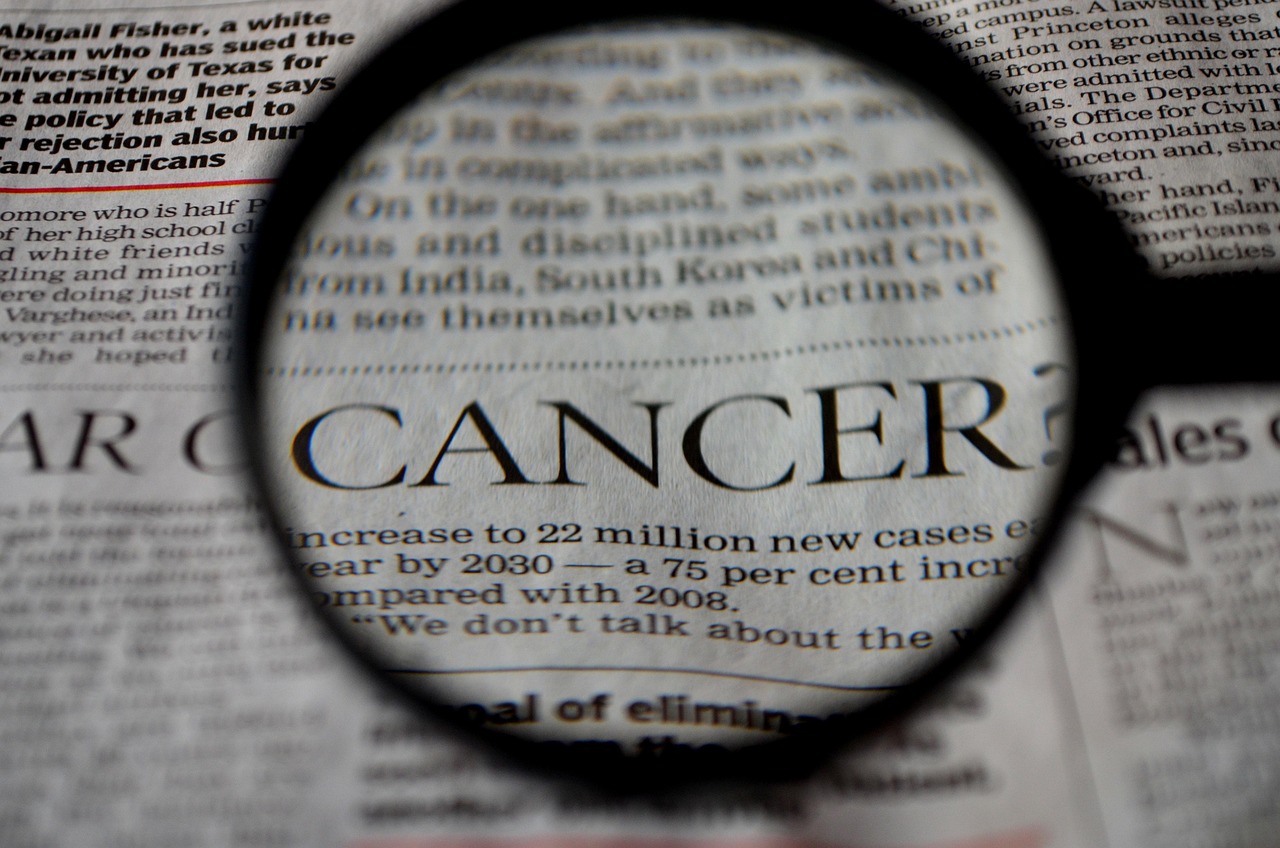
Cancer cases have risen relentlessly over the past eight decades. Despite frequent announcements of “breakthroughs” and “game changers” in news media, the disease, like a wildfire, continues to spread. Currently, 20 million people are newly diagnosed with cancer each year worldwide, and 10 million die from the disease. Worst of all, more and more young people are being sickened and killed by cancer.
It is indeed “the emperor of all maladies” and “the king of all terrors.” If current trends continue, nearly half the population in developed countries will develop cancer during their lifetime by 2040.
Unfortunately, nearly all resources are poured into chasing elusive cures, while few ask or understand what causes cancer in the first place. As Clifton Leaf, former editor-in-chief of Fortune magazine, admonished us, “No amount of money can end the cancer problem if more people keep developing the disease.”
The real solution lies in prevention, yet most people have been misled to believe that genetics, aging, or bad luck are the primary causes of cancer.
That could not be farther from the truth.
After 15 years of research into the root causes of cancer and other chronic diseases, my truth-seeking study, written in accessible language but conducted with mathematical rigor, was just published in a leading peer-reviewed journal (IJERPH). It cuts through the thick, profit-generating smokescreens to reveal the truth:
- Genes are not the driver behind the relentlessly rising cancer incidence over the past eight decades.
- Aging, contrary to the universal narrative, is not a cancer risk at all. Aging itself is more likely an anticancer factor.
- It is not bad luck.
- Lifestyle factors are not the driver either. Although poor lifestyle factors such as smoking can increase cancer risk, as detailed in the paper, lifestyles have generally been improving, yet cancer incidence continues to escalate. We cannot blame high temperatures for frostbite.
- With mathematical certainty, the principal culprit is cumulative exposure to countless toxic chemicals in our food, water, air, consumer products, and building materials.
The bottom line: Cancer cannot be stopped by chasing elusive “cures.” Prevention is imperative, but prevention cannot succeed unless we truly understand its primary driver.
Learn more about cancer from a historical perspective here.



Leave a Reply