
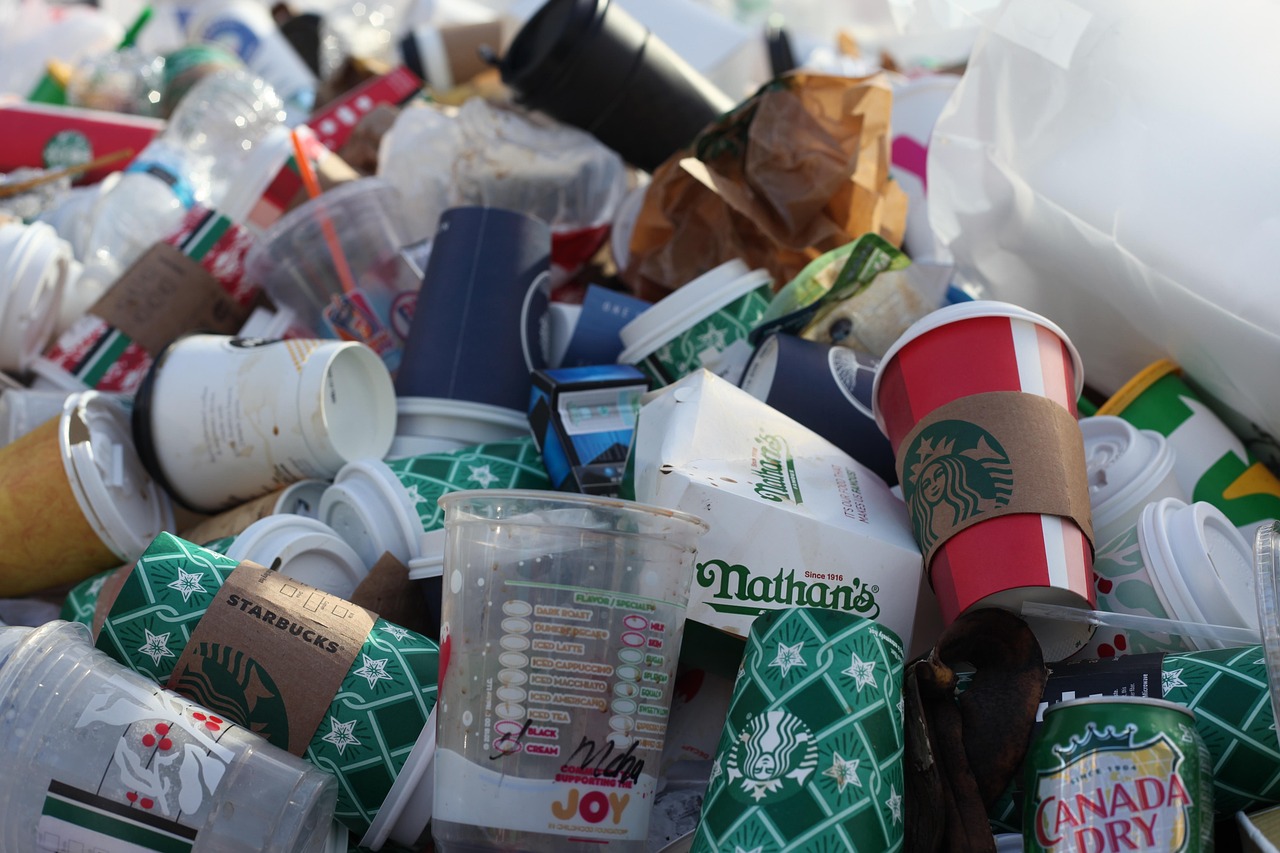
Microplastics have recently received widespread media coverage and public attention – they are found in oceans, the air, and even in our bodies. Unfortunately, they are just the tip of the iceberg, only representing the visible part of a larger problem. The invisible toxic chemicals in plastics, which leach into personal care products we put on our skin, the indoor air we breathe, the water we drink, and the food we eat, are in fact far more harmful to human health.
Plastics are polymers—long chains of repeated molecular units, typically hydrocarbons made up of hydrogen and carbon. While polymers themselves are not highly toxic, they often lack the physical properties required for practical use. To improve characteristics like color, flexibility, or strength, manufacturers add various chemicals during production. Many of these additives are highly toxic and can leach out over time.
Due to their versatility, plastics have become essential in modern life. Without them, items like TVs, cell phones, computers, and cars, would be vastly different or nonexistent. Certainly, using steel toothbrushes for oral hygiene is unthinkable. Since World War II, plastic production has skyrocketed, increasing 225-fold over the past 80 years, from 2 million tons to over 450 million tons annually.
While plastics provide immense convenience, their rapacious overuse, particularly in the food and consumer product industries, has become a major threat to the environment, wildlife, and human health. Avoiding plastics entirely may not be realistic, but it is possible to steer clear of the most toxic types.
Understanding Plastic Toxicity
The toxicity of plastics can often be identified by their Resin Identification Code (RIC), also known as the recycling code. Represented by a triangle enclosing a number (1 through 7), this code is typically found on the bottom of plastic products like bottles.
Among the seven types of plastics:
Avoid:
- 1 (PET or polyethylene terephthalate)
- 3 (PVC or polyvinyl chloride)
- 6 (PS or polystyrene)
- 7 (other, often including polycarbonate)
These types are highly toxic. Especially, avoid food served in puffy plastic or foam bowls, plates, cups, or boxes made from polystyrene (PS).
Relatively Safer Options:
- 2 (HDPE or high-density polyethylene)
- 4 (LDPE or low-density polyethylene)
- 5 (PP or polypropylene)
Although these plastics are considered safer, “safer” does not mean “safe.” The safety of plastic products depends on the specific additives used during manufacturing, most of which are proprietary and not disclosed to the public.
Steps to Minimize Exposure
In reality, no plastic is truly safe because all of them release toxic chemicals or gases into the surroundings at different speeds. From an evolutionary perspective, the human body has not adapted to handle chemicals found in plastics, which have been in widespread use for only about a century. To guard against toxic chemicals and protect your health, at a minimum, try to:
- Avoid storing or consuming food in plastic containers.
- Minimize drinking beverages from plastic bottles.
- Replace all plastic containers with glass or stainless-steel ones.
- Clean out all plastic products that are not essential from your home.
For a deeper dive, read more here.


Leave a Reply