
The Difference
Conventional medicine views both colds and flu as viral infections of the respiratory system, differing mainly in severity: colds are usually mild, causing sneezing, runny nose, and fatigue, while the flu can be more severe, with fever, body aches, and a higher risk of complications. Both spread easily through airborne droplets or contaminated surfaces.
This explanation has never satisfied me. Based on my observations and experience, I propose a new perspective:
- Flu — occurs when ‘new’ viruses enter the body and the immune system cannot effectively suppress their rapid replication.
- Cold — occurs when the immune system is weakened, often by temperature changes, allowing bacteria or viruses already present in the body to reactivate and multiply uncontrollably.
While the exact mechanism of colds remains to be explored, we know that sudden temperature drops can impair immune function by altering gene expression that regulates the production of antimicrobial molecules. When these molecules decrease, otherwise controlled microbes can grow out of control. In colds, bacteria likely play a role — as many cold cases in China respond to antibiotics.
Interestingly, I’ve noticed that temperature fluctuations seem to affect Asians, especially Chinese, more than Western populations — this could be due to the difference in the genetic makeup of the two populations. Nevertheless, this is purely personal observation, not scientific evidence.
Preventing and Stopping Cold and Flu
To prevent the flu and colds, supporting your immune system is key: avoid physical overexertion, manage stress, prevent micronutrient deficiencies — especially vitamin D — and, of course, maintain a healthy lifestyle and minimize exposure to toxic chemicals.
Several natural remedies are well-studied for preventing or reducing cold and flu symptoms:
- Oil of Oregano – Extracted from the Mediterranean herb Origanum vulgare, oregano oil contains bioactive compounds like carvacrol and thymol. Studies show both supplements and essential oil have strong antimicrobial properties.1-3 Many, including myself, use oregano oil to ward off colds and flu.4 Typical supplement doses range from 100–600 mg/day.
- Echinacea – A North American flowering plant, commonly known as purple coneflower. Traditionally used to support immune health, modern studies confirm its effectiveness against respiratory infections. 5-7 Standardized extracts are usually taken at 300–500 mg, three times daily during acute episodes.
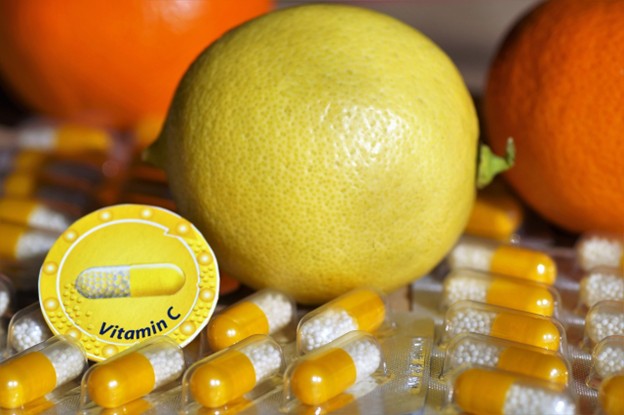
- Vitamin C – Evidence from over 150 animal studies and human trials shows that vitamin C can help prevent or alleviate bacterial and viral infections.8 Studies indicate that relatively high doses (6–8 g/day) are effective in reducing cold symptoms.8 In addition, vitamin C has broad antiviral properties in humans; for example, a study published in Medical Science Monitor demonstrated that intravenous vitamin C dramatically reduced Epstein-Barr virus (EBV) activity.9
Practical Tips
Timing is of the essence — it’s vital to take supplements at the first signs of a cold or flu, and even better to take them preemptively if you suspect exposure to a virus. Higher doses are generally more effective, but individual tolerance varies. Some people may be allergic to ingredients in these supplements, which, in rare cases, can cause serious reactions. To be safe, consult your doctor and start with small doses, especially if you are pregnant.
In case you’re wondering how I fight the flu and common cold — when I feel a cold or flu coming on, I usually take 3 g of vitamin C and 450 mg of oil of oregano (3 capsules) from Puritan. I’ve found this brand works best for me, as different manufacturers may use different parts of the plant, and where the plant is grown can also make a difference. I repeat the dose in 8-12 hours. How much I continue taking depends on how the symptoms progress. This approach works best if taken early, but is much less effective once the cold or flu has fully set in.
The Bottom Line:
To prevent a cold or the flu, focus on three things: (1) keeping your immune system strong, (2) avoiding exposure whenever possible, and (3) taking supplements promptly. Keep in mind that different supplements may affect individuals differently — take the time to find the ones and the dosages that work best for you.
References:
- Walasek-Janusz M, et al. Chemical Composition, and Antioxidant and Antimicrobial Activity of Oregano Essential Oil. Molecules. 2024 Jan 16;29(2):435. https://pmc.ncbi.nlm.nih.gov/articles/PMC10818459/
- Tao L, et al. Antibacterial activities of oregano essential oils and their active components. Front Pharmacol. 2025 Apr 8;16:1579283. https://pmc.ncbi.nlm.nih.gov/articles/PMC12011810/
- Leyva-López N, et al. Essential Oils of Oregano: Biological Activity beyond Their Antimicrobial Properties. Molecules. 2017 Jun 14;22(6):989. https://pmc.ncbi.nlm.nih.gov/articles/PMC6152729/
- Rifkin M. Oil Of Oregano For Cold and Flu Season. Sep 11, 2025. https://www.iherb.com/blog/oregano-oil/
- Schapowal A, et al. Echinacea reduces the risk of recurrent respiratory tract infections and complications: a meta-analysis of randomized controlled trials. Adv Ther. 2015 Mar;32(3):187-200. https://pubmed.ncbi.nlm.nih.gov/25784510/
- Rauš K, et al. Effect of an Echinacea-Based Hot Drink Versus Oseltamivir in Influenza Treatment: A Randomized, Double-Blind, Double-Dummy, Multicenter, Noninferiority Clinical Trial. Curr Ther Res Clin Exp. 2015 Apr 20;77:66-72. https://pmc.ncbi.nlm.nih.gov/articles/PMC4528044/
- Mazi A, et al. Role of Echinacea in the management and prevention of acute respiratory tract infections in children: A systematic review of the evidence. J Family Community Med. 2025 Oct-Dec;32(4):273-283. https://pmc.ncbi.nlm.nih.gov/articles/PMC12611053/
- Hemilä H. Vitamin C and Infections. Nutrients. 2017 Mar 29;9(4):339. https://pmc.ncbi.nlm.nih.gov/articles/PMC5409678/
- Mikirova N, Hunninghake R. Effect of high dose vitamin C on Epstein-Barr viral infectio. 2014 May 3;20:725-32.




Leave a Reply