
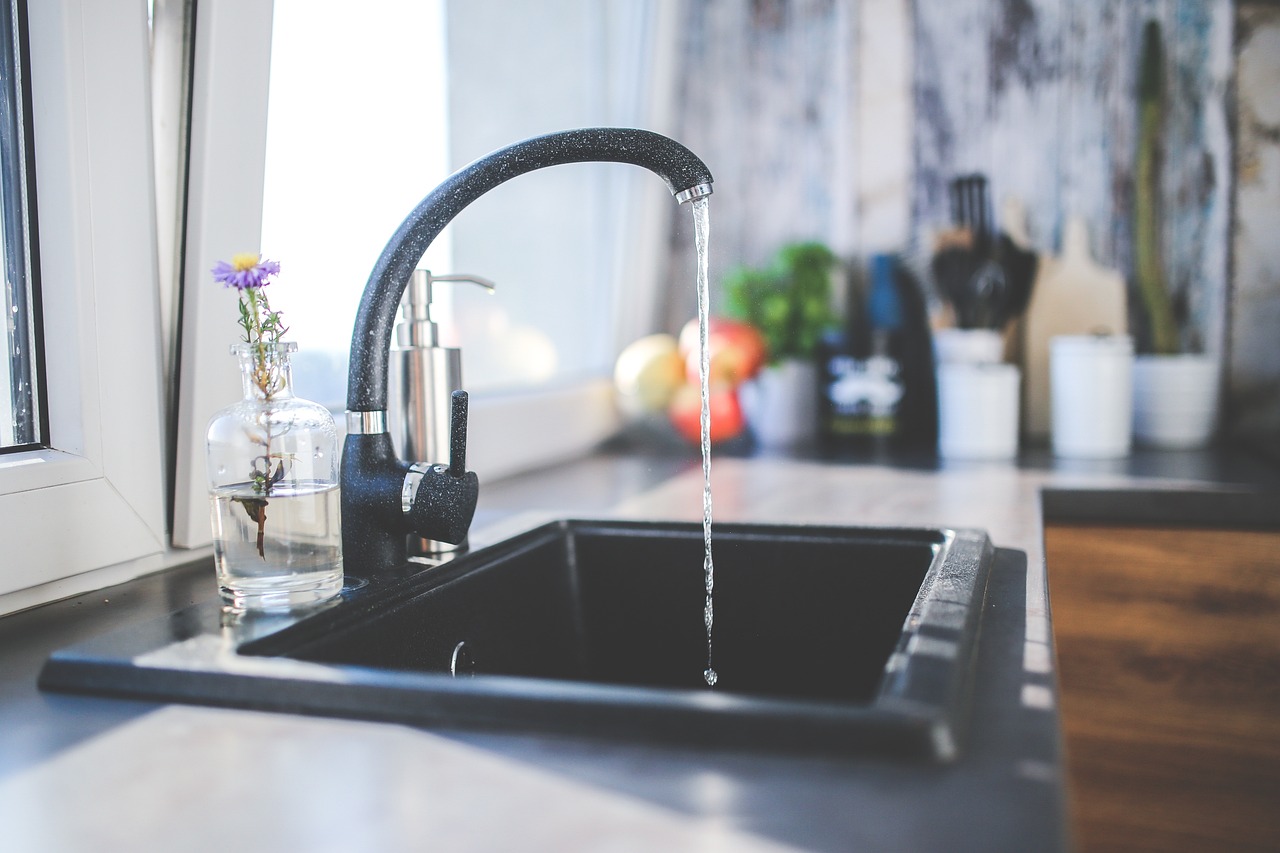
When it comes to health, our drinking water is rather deceptive – it is clear, and it is free of pathogens like bacteria, viruses, and parasites. Unfortunately, many of us have not realized an obvious fact – most of the manmade chemicals are ending up in the surface and underground water we drink:
- Each year, 41.9 billion pounds of fertilizer is used in the US alone. Two thirds of all the applied fertilizer runs off into our rivers, lakes and natural environments.
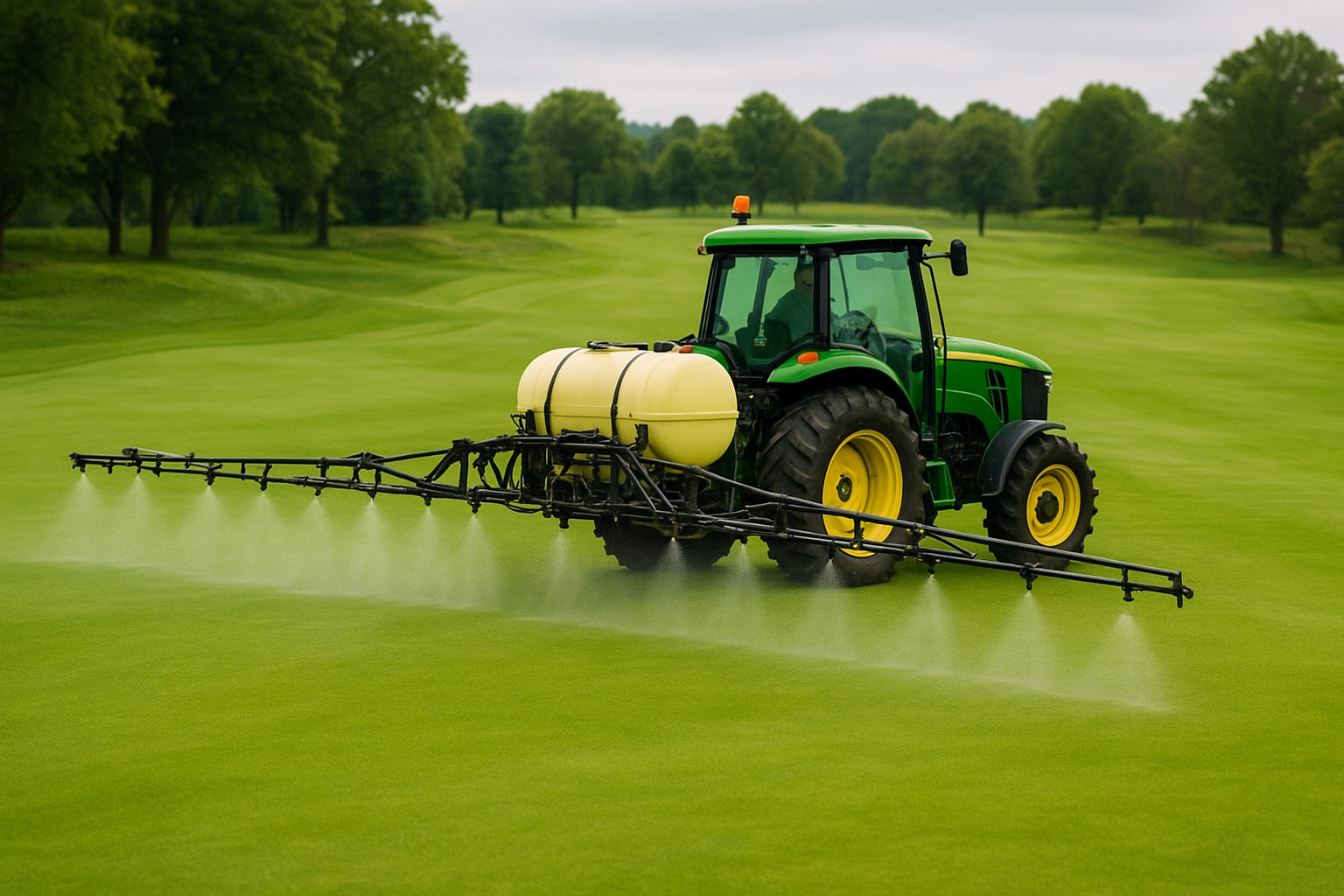
- One billion pounds of pesticides are applied annually in the US. But less than 0.1% of them reach their target pests (weeds, insects, etc.) – 99.9% the pesticides used move into the environment (surface/underground water, and air).
- Do not forget, more and more fertilizer and pesticides are applied each year, and they accumulate year after year.
- There are no official statistics on how many/much toxic chemicals manufacturers have dumped into the environment since WW II, ending up in the water system. But the scale of the problem can be scented from the recent spotlight on PFASs (per- and polyfluorinated compounds) known as forever chemicals.
- PFAS, a class of over 12,000 different manmade chemicals including PFOA and PFOS, is truly ubiquitous – they are in our drinking water and hundreds of common household items. They are detectable in the blood of more than 98% of us.
- PFAS are highly toxic – affecting our body systems and inducing diseases including cancer. Yet EPA just started to regulate five of them individually and four as a mixture.
- In addition to over-the-counter drugs, each year, more than 7.6 billion prescriptions were filled. They end up in landfills after being discarded or in toilets after metabolized. Either way, through the natural water system or water treatment plants, all meds show up in our tap water.
- The lead level in your drinking water at home can be very different from the test result at the water plant because most pipes carrying water to homes contain lead.
- And some of the problems are self-inflicted. Studies suggest excessive exposure to fluoride in drinking water, particularly above recommended levels, may be associated with lower IQ in children. Worse still, chlorine used in disinfecting water creates insidious collateral damage. Chlorine reacts with natural organic matter to produce a variety of toxic disinfection by-products (DBPs) causing an array of health problems including cancer.
- It is estimated that at least half of the DBPs are unknown. Among the 600+ DBPs that have been identified, EPA currently only regulates four: chlorite, bromate, THMs (trihalomethanes), and HAAs (haloacetic acids).
- Microplastics and leached chemicals are also health hazards when drinking bottled water.
The Bottom Line: Few things are more vital to life than water. Yet our drinking water has increasingly become a toxic chemical soup, raising the risk of chronic diseases such as hypertension, diabetes, weight gain, lung disease, heart disease, stroke, neurodegenerative diseases, and cancer.
Clean drinking water is essential — both for healing any disorder and for maintaining good health.
When in doubt, have your water tested for contaminants such as heavy metals and pesticides, which can help you select the right filter. After researching labs to test my own water, I found SimpleLab to be an outstanding choice: accurate, fast, affordable, and supported by excellent customer service.
To learn more about the issues, scientific evidence, and practical solutions, read more here.

Leave a Reply